
As we inch toward the end of summer, I want to share an update on several efforts underway at HASC that focus on both immediate challenges facing our hospitals and the longer-term health of the communities we serve.
Over the past several months, HASC has conducted a series of listening sessions across our six-county region. These sessions bring together hospital and healthcare leaders, as well as Medi-Cal residents, to better understand their experiences as California prepares for significant changes to the healthcare landscape.
These conversations are designed to do more than simply document concerns. We want to better understand where gaps exist, identify opportunities for regional coordination, and determine how HASC and our partners can help communities navigate changes in coverage and access to care.
We’re hearing directly from residents about how they receive and understand healthcare information, whom they trust and what makes it easier — or harder — to connect with coverage, providers and other resources. At the same time, hospital leaders are helping us understand the operational realities they’re confronting and where greater coordination could make a meaningful difference.
As we conclude this work, members will receive a report summarizing key themes and insights from the listening sessions, along with opportunities for action. These findings will help inform HASC’s work as we continue bringing together hospitals, health plans, community organizations and other partners around the challenges ahead.
HASC will also soon release a social media toolkit for members and community partners. The toolkit is intended to provide clear, accessible and shareable information to help residents understand upcoming Medi-Cal coverage changes and connect them with resources to maintain coverage when eligible. Our goal is to equip trusted organizations throughout Southern California with consistent messaging that can reach people where they are.
The importance of this work is underscored by the broader financial pressures facing hospitals and health systems.
In Los Angeles County, the Board of Supervisors recently approved a review of how Measure B funding is allocated. Measure B, approved by voters in 2002, provides funding to support the countywide trauma and emergency medical services system. The board’s action calls for an independent study of the current allocation methodology, including consideration of hospital financial vulnerabilities, community needs and potential impacts of federal funding changes.
HASC will remain engaged as that process moves forward. While there will be important discussions about how these resources are allocated, it’s equally important to recognize the role Measure B funding plays today. Hospitals rely on these dollars to help sustain critical trauma and emergency services, maintain specialized capabilities and ensure that care is available when communities need it most. At a time when hospitals are preparing for significant changes in Medicaid financing and coverage, maintaining a strong and accessible regional healthcare infrastructure is essential.
Before closing, I also want to take a moment to recognize the many healthcare leaders honored at the Los Angeles Business Journal’s 2026 Healthcare Leadership Awards.
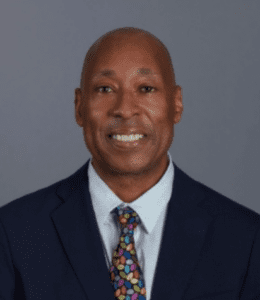
I was grateful to be recognized as Healthcare Advocate of the Year, but what made the occasion especially meaningful was the opportunity to celebrate alongside so many colleagues whose leadership and commitment are making a difference across our region. The nominees and honorees represented the breadth of talent, innovation and dedication that exists throughout Southern California’s healthcare community.
Congratulations to all of this year’s individual and organizational award recipients:
- Robert Stone, CEO, City of Hope – Hospital CEO or President of the Year, Less Than 500 Staffed Beds
- Peter L. Slavin, M.D., President and CEO, Cedars-Sinai Medical Center and Health System – Hospital CEO or President of the Year, More Than 500 Staffed Beds
- Monica Gutierrez-McCarthy, President and CEO, Eisner Health – Health System Executive of the Year
- Eve Glazier, President, Faculty Practice Group, UCLA Health – Hospital Executive of the Year
- David Amron, M.D., Founder and Medical Director, The Roxbury Institute – Outstanding Healthcare in Innovation and Education
- Martha Santana-Chin, CEO, L.A. Care Health Plan – Insurance Executive of the Year
- Tina Shabanian, Regional Health Plan Officer, Health Net – Insurance Executive of the Year
- Aspivix – Best Health Care Technology and Advancement Product
- Sprintray – Best Health Care Technology and Advancement Product
- Antelope Valley Medical Center / Antelope Valley City of Hope / Antelope Valley YMCA / KaInD Giving – Outstanding Collaboration
- USC Verdugo Hills Hospital – Outstanding Community Outreach
- Beckman Research Institute – Top Research Organization
- City of Hope – Top Medical Center or Hospital System
- Southern California Medical Center – Community Clinic of the Year
It was a privilege to be among such an accomplished group and to see recognition of the important work taking place across our industry.
Whether through our listening sessions, public education efforts or engagement on issues such as Measure B, HASC’s role is to bring people together, elevate the experiences of our members and communities, and help identify practical paths forward.
Much work lies ahead, and I look forward to keeping you informed as these efforts progress.