
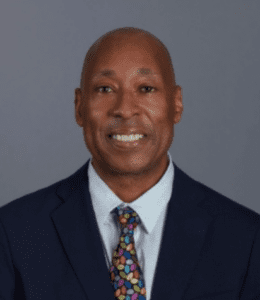

On Feb. 25, I had the opportunity to participate in a panel discussion at the 2026 Economic Forecast, hosted by the Los Angeles County Economic Development Corporation (LAEDC). I was honored to join an outstanding group of leaders, including Martha Santana-Chin of L.A. Care, Dr. Christina Ghaly of Los Angeles County Health Services, Castulo de la Rocha of AltaMed and Sally Malone of USC, to discuss the growing pressures facing our health care system.
I want to thank LAEDC for including the hospital perspective in this important regional conversation. Hospitals play a vital role not only in caring for our communities, but also as one of the largest employment sectors in LA County and a cornerstone of the region’s economic stability.
During the discussion, I shared that the challenges hospitals are facing today did not begin with recent policy changes. Even before the implementation of the One Big Beautiful Bill Act (OBBBA), many hospitals were operating under significant financial strain. In fact, nearly half of hospitals in LA County reported operating losses in FY 2024, based on audited financials submitted to the state.
At the same time, approximately three-quarters of hospital discharges in the county are covered by public insurance programs that reimburse below the cost of care — on average, about 80 percent. In some communities, hospitals serve populations where public coverage accounts for up to 95 percent of patients, leaving extremely thin or negative margins.
Meanwhile, the cost of delivering care continues to rise. Expenses for workforce, pharmaceuticals and medical supplies are increasing faster than revenue, while reimbursement increases have not kept pace with inflation. Workforce shortages and sustained labor cost pressures continue to compound financial instability.
Looking ahead, the implementation of OBBBA is expected to introduce additional pressures across the health care system. As uncompensated care rises and coverage declines, some hospitals may face difficult decisions about sustaining certain services, which could affect access to care in many communities.
These pressures also affect the health care workforce. Emergency departments are treating more patients who delayed care due to lack of coverage and often arrive with more advanced health needs. At the same time, discharge planners and care teams face increasing difficulty securing post-acute placements, slowing patient flow and placing additional strain on hospital capacity.
Despite these challenges, I know our hospitals remain committed to caring for every patient who walks through our doors. Please know the HASC team is here to serve you, especially during these difficult times, and don’t hesitate to get in touch if we can be of help.
I also look forward to continuing this important conversation with many of you at the HASC Annual Meeting, taking place April 20 to 22 at the Park Hyatt Aviara in Carlsbad. During our keynote sessions, we’ll convene health care leaders and stakeholders for an in-depth discussion on how the provider community is innovating and adapting to navigate the impacts of OBBBA while continuing to serve our patients and communities. I hope to see you there.
Take care and stay safe,
George G.